Evidence record · Ireland
c. 400 ADOgham Cuts Names in Stone
Ogham inscriptions began appearing on standing stones, turning personal names into sharp lines along an edge. These marks are among the earliest written traces of Irish language and identity.
Open the interactive frame→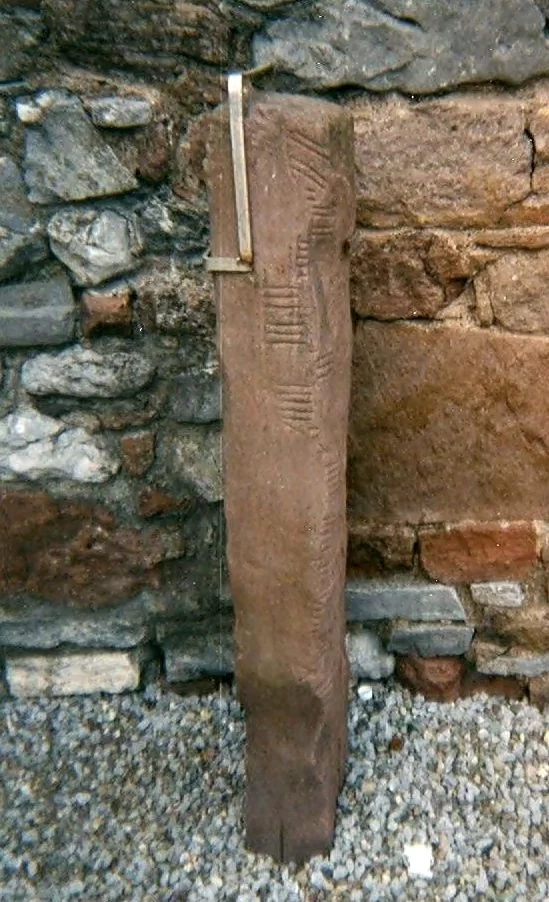
Why it matters
Culture made visible
Evidence dossier
Read this moment as a hinge
2 minute source-led readCulture doing political work
Read c. 400 AD as a hinge, not a label. Ogham inscriptions began appearing on standing stones, turning personal names into sharp lines along an edge. That places “Ogham Cuts Names in Stone” between “Ireland Enters the Map” and “Palladius Is Sent to Ireland”, while one record was changing the range of choices available in the next.
Put one person in the frame
Bring the frame down to one life in Ireland: a participant who may experience identity before describing it as politics. The public event is the visible surface; underneath it sits language, ritual, sport, literature and symbols that travel farther than a speech.
What this changes next
These marks are among the earliest written traces of Irish language and identity. Its importance lies in the altered field it leaves behind: the next actors inherit different risks, institutions and choices. Remove this record and the move from “Ireland Enters the Map” to “Palladius Is Sent to Ireland” becomes much harder to explain.
Unexpected angle“Ogham Stone Rathass Church Tralee Kerry” is representative, not eyewitness evidence. Use the gap creatively: compare what the image can suggest with what only the written record can establish.
Source ledger