Evidence record · Waterford
914 ADWaterford Returns to the Norse
Norse power surged back on the south coast, and Waterford became one of Ireland’s great Viking towns. Ports like this tied Ireland to Britain, Scandinavia, Francia, and the wider Atlantic world.
Open the interactive frame→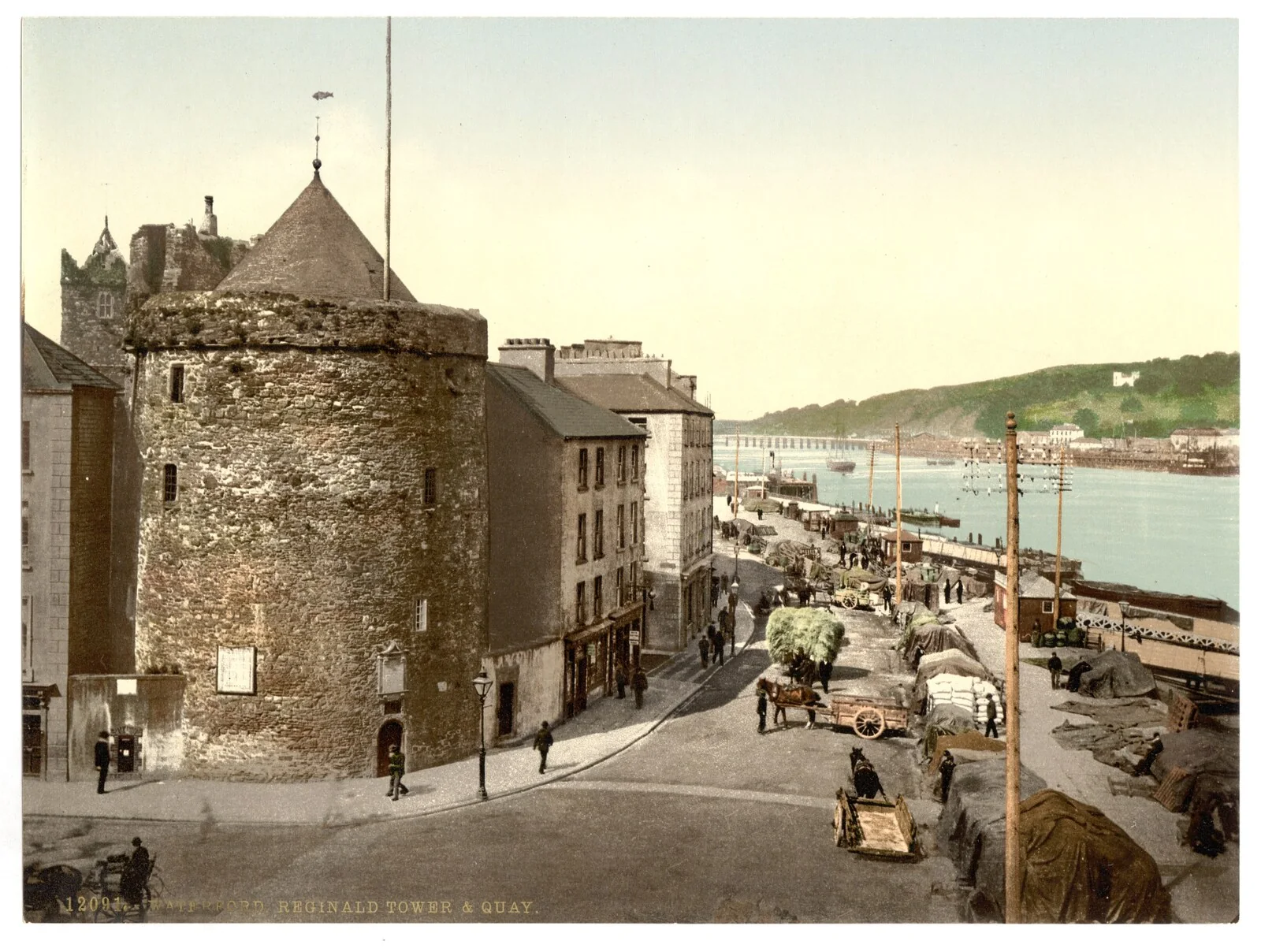
Why it matters
Economic life made visible
Evidence dossier
Read this moment as a hinge
2 minute source-led readFollow the material pressure
Read 914 AD as a hinge, not a label. Norse power surged back on the south coast, and Waterford became one of Ireland’s great Viking towns. That places “Waterford Returns to the Norse” between “Dublin Becomes a Longphort” and “Dublin Is Taken at Tara”, while one record was changing the range of choices available in the next.
Put one person in the frame
Bring the frame down to one life in Waterford: a household balancing survival against rules made elsewhere. The public event is the visible surface; underneath it sits land, food, wages, rent, trade and debt beneath the public argument.
What this changes next
Ports like this tied Ireland to Britain, Scandinavia, Francia, and the wider Atlantic world. Its importance lies in the altered field it leaves behind: the next actors inherit different risks, institutions and choices. Remove this record and the move from “Dublin Becomes a Longphort” to “Dublin Is Taken at Tara” becomes much harder to explain.
Unexpected angle“Reginald Tower and Quay, Waterford” is representative, not eyewitness evidence. Use the gap creatively: compare what the image can suggest with what only the written record can establish.
Source ledger