Evidence record · Dublin and Ireland
1632 ADWentworth Centralises Dublin Castle
Thomas Wentworth arrived as lord deputy and strengthened revenue, the army and royal control. His authoritarian programme alarmed both Catholic landholders and Protestant elites.
Open the interactive frame→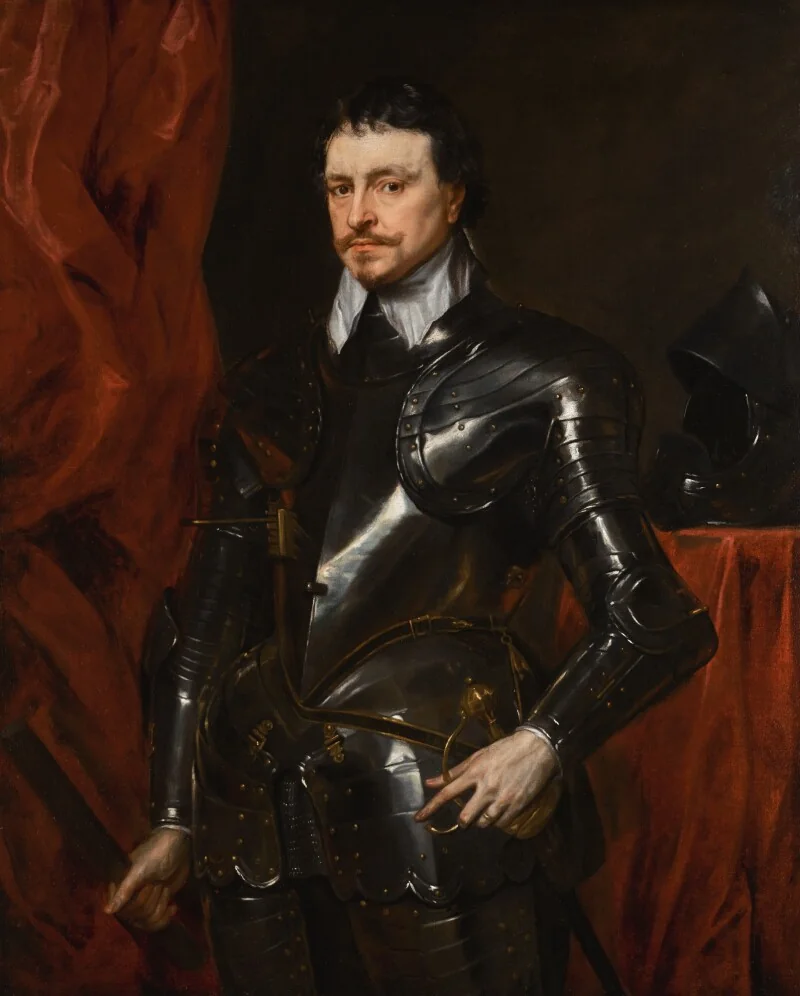
Why it matters
Government made visible
Evidence dossier
Read this moment as a hinge
2 minute source-led readPower becomes procedure
Read 1632 AD as a hinge, not a label. Thomas Wentworth arrived as lord deputy and strengthened revenue, the army and royal control. That places “Wentworth Centralises Dublin Castle” between “The Graces Promise Reform” and “Connacht Titles Come Under Threat”, while land, law, confession and settlement were being locked together into a durable order.
The rulebook moves
Bring the frame down to one life in Dublin and Ireland: the person at the desk—or across it—where policy becomes an instruction. The public event is the visible surface; underneath it sits offices, law, taxation and bureaucracy turning a decision into daily reality, intersecting with representation, sovereignty and the institutions entitled to make binding decisions.
What this changes next
His authoritarian programme alarmed both Catholic landholders and Protestant elites. Its importance lies in the altered field it leaves behind: the next actors inherit different risks, institutions and choices. Remove this record and the move from “The Graces Promise Reform” to “Connacht Titles Come Under Threat” becomes much harder to explain.
Unexpected angle“Portrait of Thomas Wentworth, 1st Earl of Strafford (by Anthony van Dyck)” is representative, not eyewitness evidence. Use the gap creatively: compare what the image can suggest with what only the written record can establish.
Source ledger